With warmer temperatures arriving earlier each year and heat events becoming more intense, the challenge of protecting cow health and performance is growing rapidly. This year alone, temperatures reached 18°C in March, while parts of the UK saw highs of 26°C in April and record-breaking temperatures in May.
And for dairy cows, heat stress can begin at temperatures as low as 18°C - especially when humidity is high.
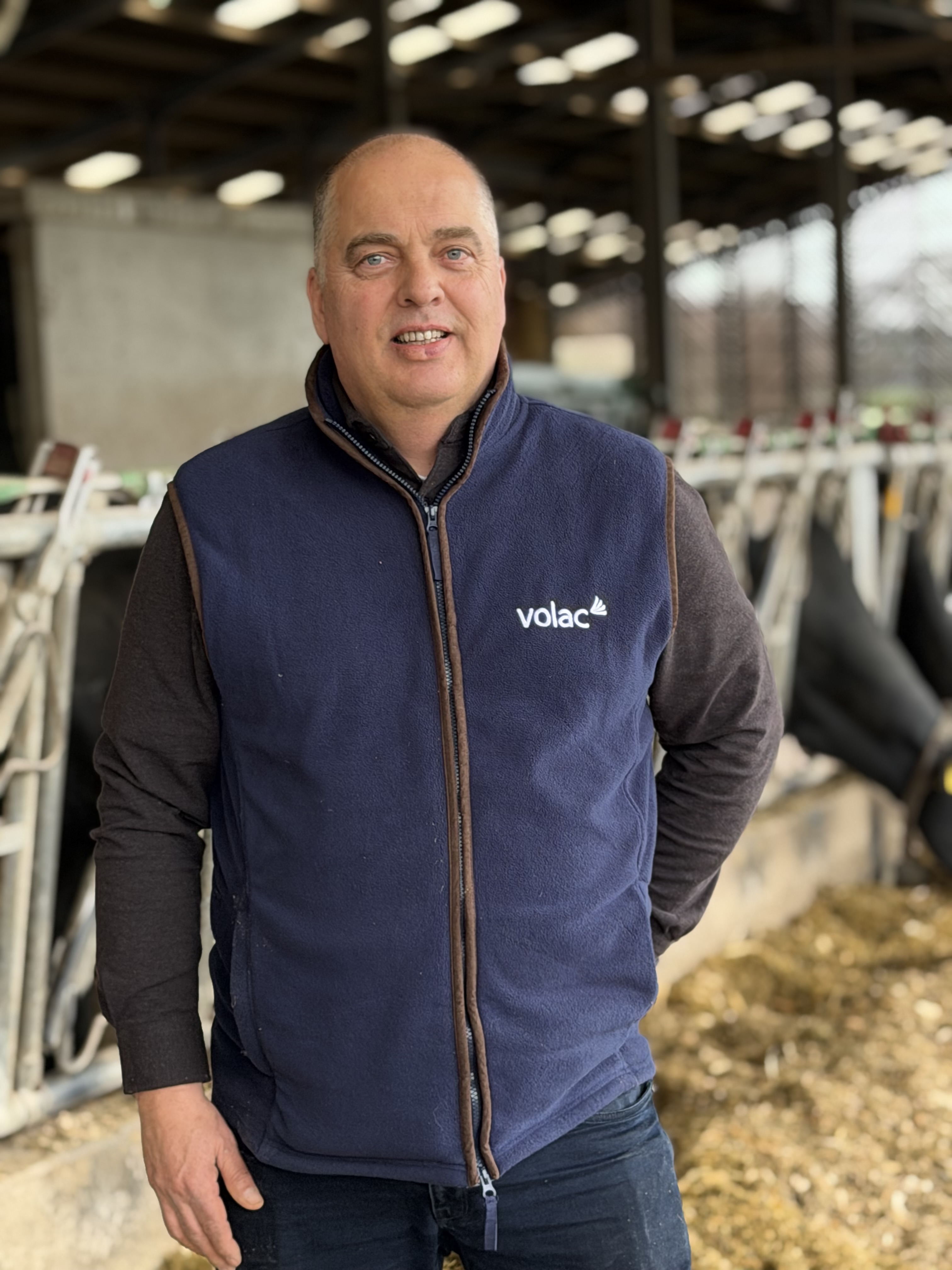
According to Peter van der Vegt, Volac’s Lead for Technical Services, taking preventative action before hot weather hits is critical for maintaining milk production, fertility, and long-term herd health.
Heat Stress: The Hidden Impact on Herd Health
The effects of heat stress often continue long after temperatures return to normal.
“A period of heat stress is often followed by a spike in lameness and mastitis a few months later, but it needn’t be the case,” explains Peter van der Vegt.
The reason lies in what happens inside the cow during periods of heat stress.
When cows become too hot, they naturally reduce feed intake and spend less time ruminating. This lowers saliva production - an important natural rumen buffer. Increased panting also changes the cow’s acid-base balance, while irregular feeding behaviour can increase the risk of rumen acidosis.
As rumen pH drops, bacteria begin to die off, releasing lipopolysaccharides (LPS), also known as endotoxins.
Why Endotoxins Matter
Endotoxins can have a major impact on cow health and productivity.
Heat stress can weaken the gut barrier, allowing endotoxins to pass into the bloodstream. Once circulating in the body, they can settle in soft tissues such as the hoof and teat, increasing the risk of lameness and mastitis.
At the same time, the cow’s immune system becomes highly activated as it attempts to remove these toxins - diverting valuable energy away from milk production and performance.
This “leaky gut” effect can also increase the risk of mycotoxins entering the bloodstream.
.jpg)
The Mycotoxin Challenge Doesn’t Stop in Summer
Mycotoxins remain a significant challenge within dairy systems, particularly during periods of stress.
Produced by moulds commonly found in silage and bought-in feeds, mycotoxins can negatively impact feed efficiency, fertility, immunity and overall performance.
Data from Volac’s Mycocheck service highlights just how widespread the issue is. In 2025, 776 feed and forage samples from the UK & Ireland were tested, with 93.2% testing positive for one or more mycotoxin.
Under heat stress conditions, cows can become even more vulnerable to these invisible challenges.
Building Herd Resilience Before Heat Hits
Peter believes prevention is key.
Optimising cow comfort, maintaining feed intakes, and supporting rumen and gut health can all help reduce the impact of heat stress and lower the risk of endotoxin and mycotoxin-related issues.
Practical steps include:
Ensuring cows have constant access to a well-balanced ration
Maximising feed space and regularly pushing up feed
Improving ventilation and cooling systems
Working with a nutritionist to adapt diets during hot periods
Increasing dietary energy density where appropriate
“Cows low in energy balance will be more susceptible to endotoxins,” says Peter.
Supporting Cows Through Heat Stress Challenges
Peter also recommends taking a proactive nutritional approach ahead of hot weather periods.
UltraSorb R 3.0, is designed to help support cows during endotoxin and mycotoxin challenges. The product combines specially selected minerals to bind mycotoxins and endotoxins, alongside biologically active agents designed to transform harder-to-bind mycotoxins. Yeast components also help support gut health and rumen function.
By helping support cows through periods of stress, preventative strategies may not only protect performance but also reduce longer-term health issues within the herd.
Prevention Saves Time Too
The benefits of prevention go beyond production figures.
“Cows in need of your attention take up most of your time,” Peter explains. “Ultimately, if you can have less mastitis and less lameness, it frees up more time to spend elsewhere managing the herd.
As heat events continue to become more frequent, building herd resilience early may become one of the most important management decisions dairy farmers make this summer.