A period of heat stress is all too often followed by a spike in lameness and mastitis, but it needn’t have to be if steps are taken to build herd resilience and reduce risk.
So says Peter van der Vegt, Volac’s lead for technical services, who believes understanding the underlying cause of health and productivity issues caused by heat stress – which can occur at ambient temperatures as low as 18C, particularly if humidity is high– is fundamental to limiting its impact.
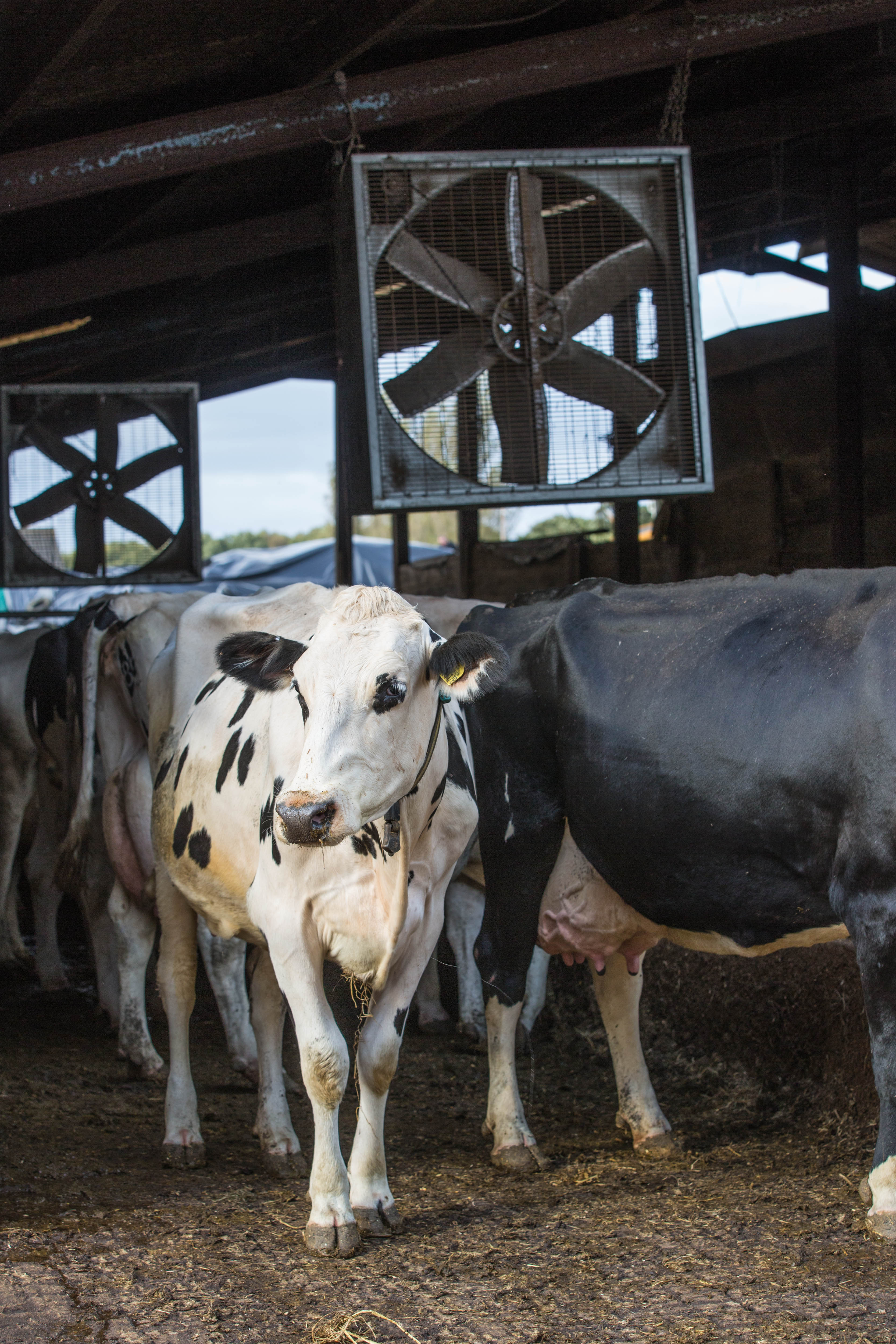
“When a cow is under heat stress, she eats and ruminates less, which reduces saliva production,” he explains. “Panting also produces more carbon dioxide which further reduces her buffering capacity. She’s also more likely to binge eat when the environment cools. All these increase rumen acidosis risk.”
Acidosis causes a decreas in the rumen pH causing rumen bacteria to die. Gram negative bacteria release components of their outer cell walls, called lipopolysaccharides (LPS), which are endotoxins. Stress also leads to gaps opening between the cells lining the rumen, and this can lead to an influx of LPS into the bloodstream.
“LPS can settle in soft tissues like the hoof and teats resulting in lameness and mastitis. At the same time, the immune system kicks into gear to try and get rid of the LPS, diverting energy away from milk production,” Peter explains.
The gaps between cells lining the rumen which are caused by stress also raises the risk of mycotoxins entering the blood stream. Mycotoxins are produced by certain moulds which grow on bought-in feeds and silage. These invisible toxins have wide-ranging effects including reduced feed efficiency, suboptimal fertility and problems such as lameness, mastitis and raised somatic cell counts due to their impact on the cow’s immune system.
Volac’s testing of feed samples in the UK through its Mycocheck service indicate that mycotoxin risk is increasing. In 2024, 78.9% of all samples tested positive for one or more mycotoxins, rising to 93.5% of samples in 2025.
Peter says it’s possible to reduce the impact of heat stress and protect the cow from endotoxin and mycotoxin challenges. This stems around optimising cow comfort and cooling cows (see box). Focus should also be paid to providing cows with a consistent, well balanced, easily accessible ration to lower acidosis risk. Cows low in energy balance will be more susceptible to endotoxins, he adds.
He also urges farmers to incorporate a mycotoxin remediator and endotoxin binder into the ration in advance of hot periods so cows are better able to cope. UltraSorb R contains specially-selected minerals to bind various mycotoxins and endotoxins; plus biological active agents to transform and detoxify/ degrade the harder to bind mycotoxins. Yeast components also help to support gut health.
Peter believes taking a preventative approach will benefit staff time and herd performance. “Cows in need of your attention take up most of your time, so ultimately if you can have less mastitis, less lameness, it will free up time to spend elsewhere managing the herd,” he says.
Tips for lowering the impact of heat stress
Provide 10cm of water space per cow.
Invest in fans / cow cooling.
Ensure fan maintenance is up-to-date – it takes 30% more energy and produces 30% less wind if fans are dirty.
Avoid feed that has heated and could be at increased risk of mycotoxins.
Provide plenty of feed space and push up regularly to optimise intakes.
Speak to a nutritionist about adapting the diet in response to heat stress. This may mean raising the energy density.
Consider incorporating Ultrasorb R into the diet at a maintenance rate of 10g per cow per day.
Taking action before temperatures rise can help build herd resilience, reduce the knock-on effects of heat stress and keep cows healthier, more productive and easier to manage.