This summer’s extended hot, dry weather could raise forage mycotoxin challenge and cause a shift in the type of toxins seen on farm, The Dairy Farmer reports.
Farmers are being urged to monitor rations and protect cows from potentially elevated mycotoxin risk in forage due to this season’s challenging growing conditions.
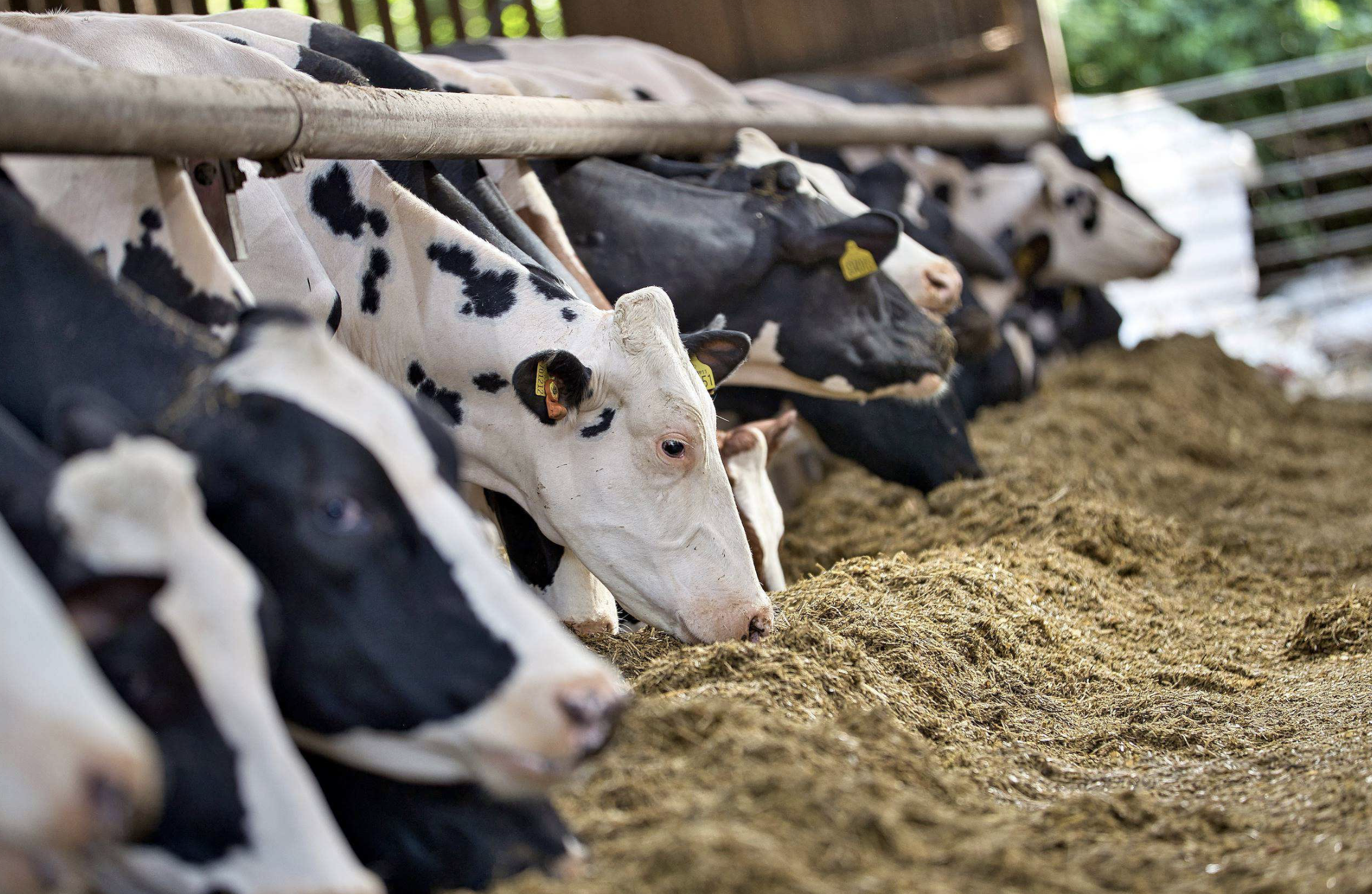
Mycotoxins are produced by certain moulds which can grow on bought-in feeds and home-grown silages. These invisible toxins have wide-ranging effects including reduced feed efficiency, suboptimal yields, poor fertility and mastitis.
Multiple heat waves and drought have placed crops under stress, creating the ideal conditions for moulds to take advantage, says Rob Furmage, Scientific Services Manager for Volac Feed Additives.
“Some areas of the country got some rain in mid-August which fell on dry and prematurely aging maize crops, just prior to harvest. That created the perfect conditions for moulds to fire into action and cause problems, especially as it was still warm,” he explains.
“Moulds will also be struggling due to the weather challenge. This means they may produce more spores to spread themselves wider to find food sources and therefore there is risk of larger areas of contamination,” Mr Furmage explains.
Maize is naturally a risky crop for mycotoxins, due to multiple factors such as its slow growing pattern and open ear. This is reflected in samples from Volac’s Mycocheck service which found one or more mycotoxin in 99% of UK & Ireland maize silage samples tested in 2025.
Changing toxin profile
Although it is too early in the season to have an exact picture of the 2026 mycotoxin challenge in maize, Mr Furmage says research and experience points to a likely change in the type of mycotoxin challenge.
“Fusarium species that produce DON and ZON mycotoxins that farmers are familiar with, are more active if it’s wet when maize is flowering, which was not the case this year. Warm and dry weather favours different Fusarium species which are more associated with fumonisin mycotoxins, which can cause immune suppression and reduced rumen function,” he explains. “That’s not to say DON and ZON won’t be an issue, but there might be a different toxin profile. You may see other variants of DON and ZON too which require specific analysis to be detected.”
Aflatoxins are also associated with hot dry regions, such as southern Spain and North Africa. However, there could be an increased risk – although small – of these types of toxins, particularly in southern England where temperatures have been high.
Aflatoxins can result in Aflatoxin M1 (AFM1) in milk, which has a maximum permitted limit in the UK and EU and can lead to milk tank rejection.
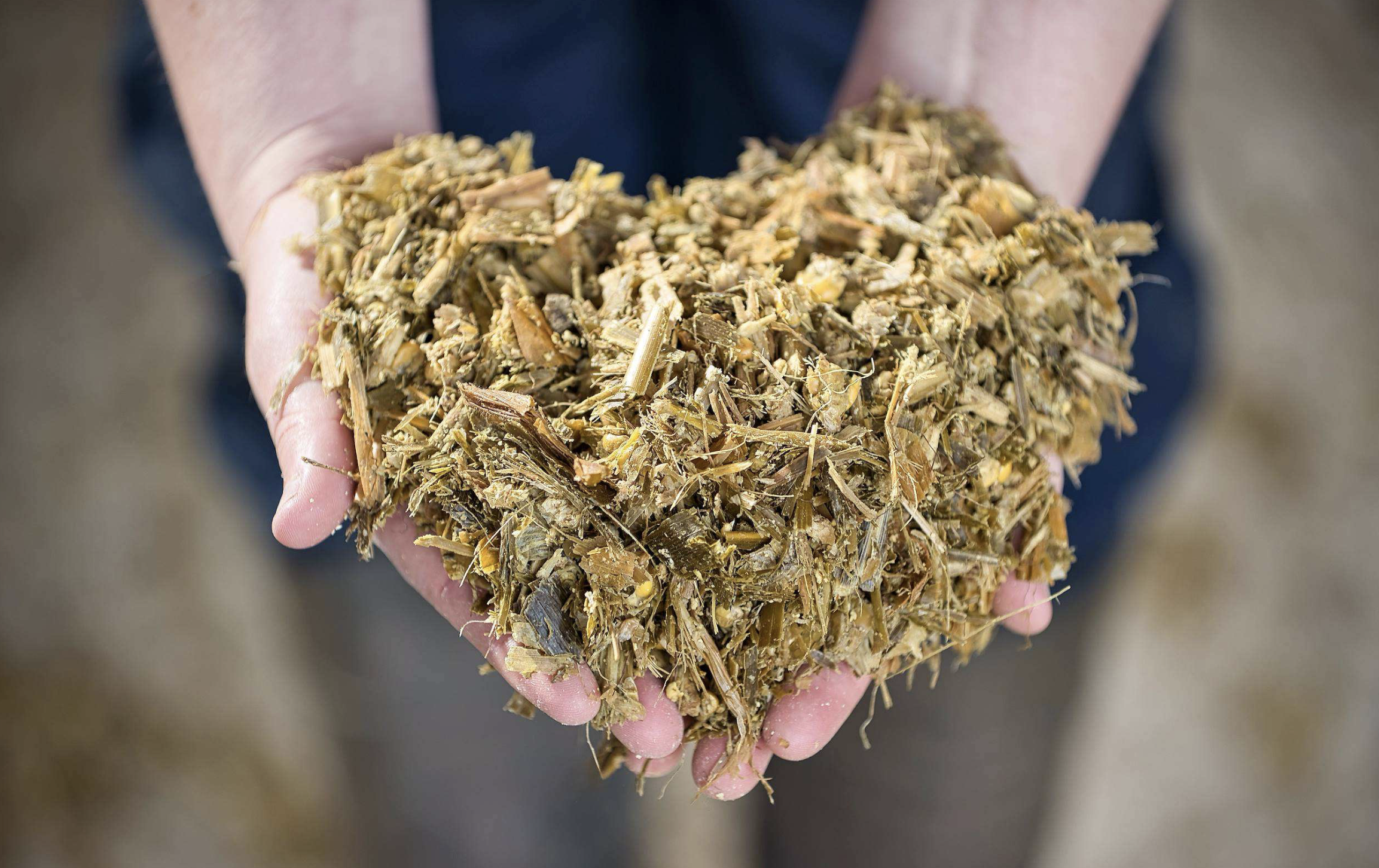
“The risk is still low but with climate change and as the types of temperatures seen this summer become more normal, it’s likely that risk of aflatoxin will increase,” he explains.
Consolidation challenges
With many maize crops coming off at higher dry matters, paying close attention to consolidation and sheeting is essential to exclude as much air as possible, he adds.
“If you don’t consolidate well, there’s increased chance of oxygen ingress. It’s under these conditions that the Fusarium moulds - which are naturally present in the field -can prosper.
“There’s then added risk of mycotoxin proliferation as soon as the clamp is open and exposed to air. That’s when penicillium mycotoxins can also take hold,” Mr Furmage explains.
Mr Furmage also advises caution when buying-in forage stocks to make up for dwindling winter forage supplies following the drought.
“Be aware of the mycotoxin risk in whatever you are buying. You don’t know the history or the growing conditions and it’s an unknown impact on your diet,” he explains.
Re-clamping forage is particularly risky from a mycotoxin perspective. Moving and reconsolidating silage will introduce air, causing moulds to proliferate and silage to heat.
Action
To protect against the unknowns and safeguard against likely increased mycotoxin risk this season, Mr Furmage urges farmers to take a preventative approach by feeding a triple action mycotoxin remediator.
“Simple clay binders struggle to bind fumonisins and DON and ZON. You need a triple-action mycotoxin remediator and endotoxin binder, like UltraSorb R which transforms and degrades a wider range of mycotoxins using a combination of specifically selected clay binders, yeast fractions and biological active agents,” he explains.
It is available through Trident MicroNutri in the UK and can be included in the diet at a preventative rate to protect cows from challenge.
The ration should then be routinely tested for mycotoxins through the season and whenever there are any diet changes to identify any specific uplift in mycotoxins. Testing should include at least DON, ZON, AFB1 and fumonisins.
“By feeding a constant, preventative dose of a triple action mycotoxin remediator when risk levels are high, you are then able to react and increase the dose should testing identify an uplift in challenge, therefore protecting yields,” Mr Furmage explains.