When cows are producing over 10,000kg of milk a year and under considerable metabolic stress, even the smallest disruption to digestive health can push them over the edge, causing a drain on immunity, fertility and yields.
For Dutch farmers Pieter Terpstra and Jan Gerbrandy, achieving yields of 11,200kg a cow a year requires precision management, efficient labour and strict attention to ration stability. The business partners farm 138ha across two locations in Friesland, milking 130 Holstein Friesian cows in Scharnegoutum, and another 110 cows in Nijland.
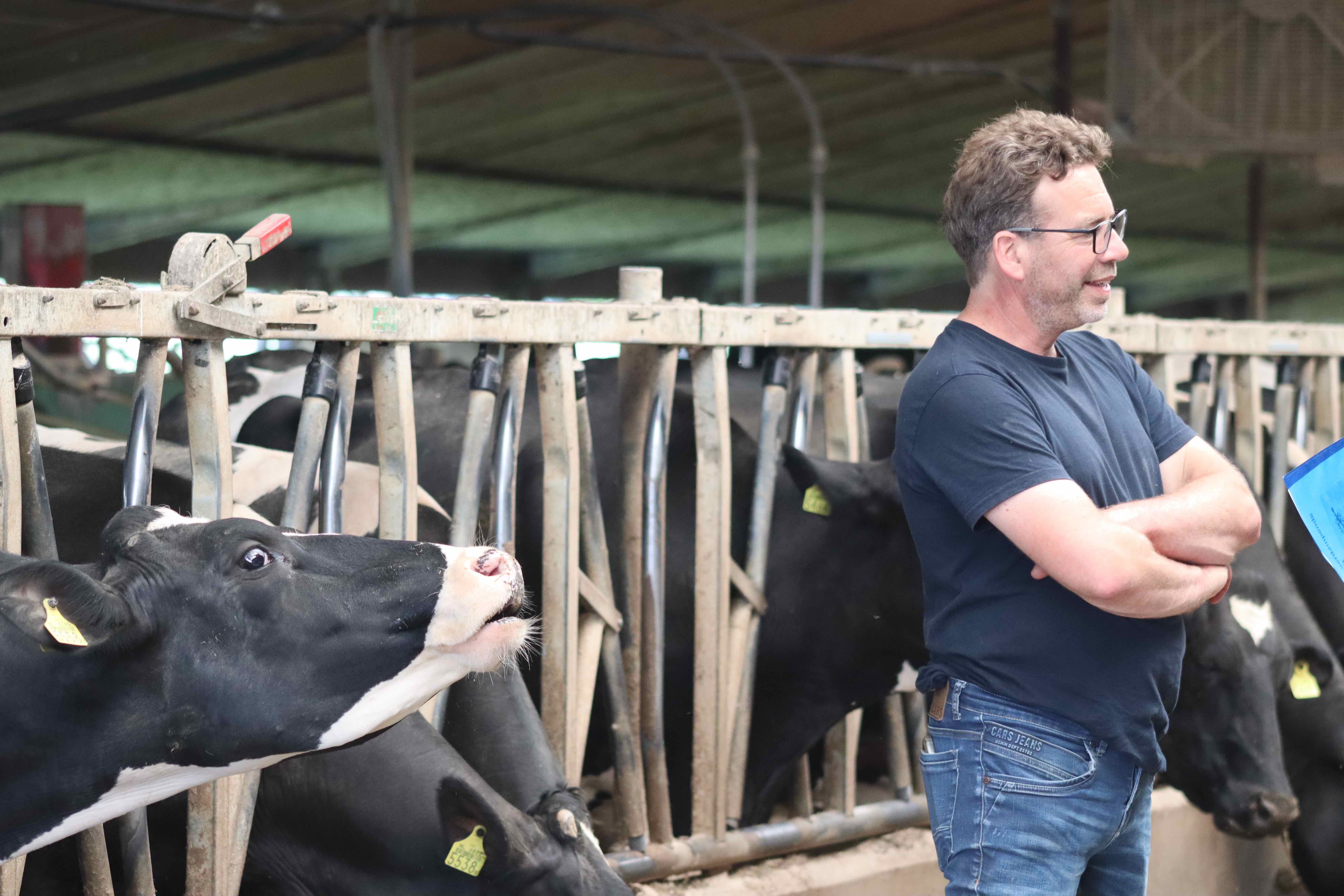
About a year ago, Pieter recognised that cows were not performing to their full potential, whilst gut health appeared challenged. Suspecting it might be linked to the feed, he was keen to get involved with Volac’s Meten is Weten ("Measuring is Knowing") initiative—a collaborative project tracking forage parameters, dry matter intake, and mycotoxin presence across six Dutch farms.
Mycotoxins are produced by certain moulds which can grow on bought-in feeds and home-grown silages. These invisible toxins have wide-ranging effects including reduced feed efficiency, suboptimal yields, poor fertility and mastitis.
Pieter’s feeding strategy relies heavily on a high-forage base of grass silage, complemented by 3.5 to 4kg of dry matter from corn silage, alongside a structured premix and targeted concentrates for the highest producing cows.
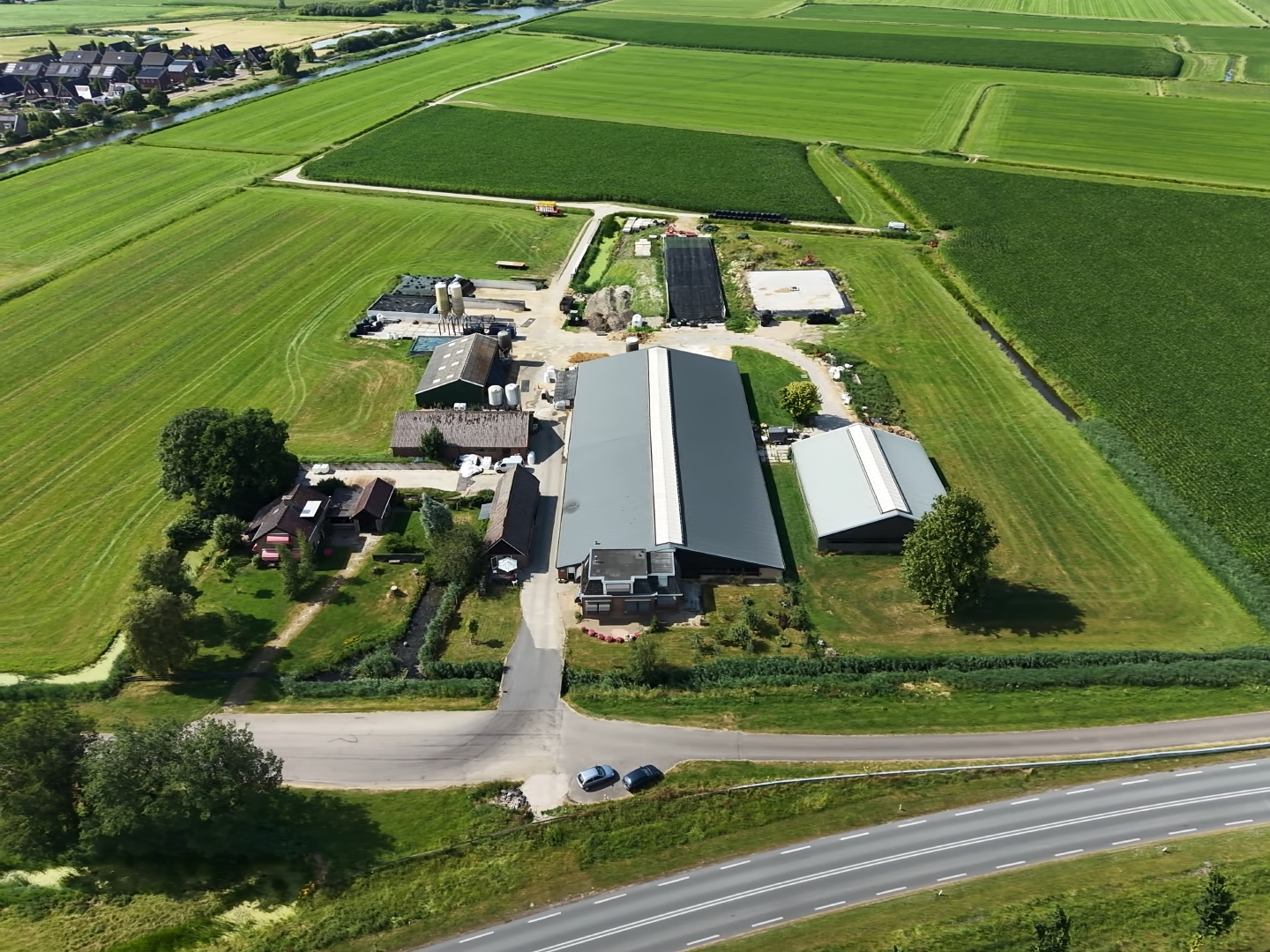
As part of the Meten is Weten initiative, UltraSorb R was incorporated into the ration as a preventative strategy to safeguard against mycotoxin challenge, protect gut integrity and support the rumen microbiome. UltraSorb R is a triple-action mycotoxin remediator and endotoxin binder, which binds, transforms and degrades a wide range of toxins using a combination of specifically selected clay binders, yeast fractions and biological active agents.
When Pieter joined the initiative, he was initially sceptical about mycotoxins affecting his herd but is now convinced of the value of continuously feeding a mycotoxin remediator.
“I honestly didn’t expect mycotoxins to be an issue here. You think of major mould issues causing severe health drops, but through regular testing, we saw that mycotoxins are constantly present in varying levels—we just don’t always know when or how much,” he explains.
This highlighted the value of continuous monitoring and feeding UltraSorb R at a preventative rate. The daily cost of this “insurance policy” at about €0.05 per cow per day was insignificant compared to the financial penalty of a cow losing milk due to subclinical gut stress, fluctuating dry matter intake or heat stress, for example.
Pieter says: “Since introducing the yeast and binder blend, the cows look livelier and cleaner in their digestion. The herd just looks smoother and more vital overall. It’s hard to put an exact single euro figure on it immediately, but keeping the cows healthy and avoiding yield drops is where the real value lies.
“Prevention and consistency are key,” he adds. “High production requires maximum dry matter intake and gut integrity. Rather than waiting for a noticeable drop in health or milk yield—which costs significantly more - keeping the gut healthy and the cows vital with targeted additives acts as a baseline protection for farm stability.”
Pieter emphasises that nutrition must work hand-in-hand with cow comfort to ensure optimal performance. For example, on his farm, deep-bedded cubicles using a sawdust and chalk mixture has virtually eliminated leg injuries and improved lying times. Water intakes, ambient temperature and forage consistency are also important.
“It’s an integrated approach. You can’t fix a poor environment with a bag of feed, and you can’t get 11,000kg out of a stressed cow,” he says. “You have to keep the basic management constant—good lying comfort, constant mixing, clean water, and gut health protection. When you keep those factors stable, the cows reward you.”