Cows underperforming or not looking their best and you can’t put your finger on why? There might be an under-the-radar problem with mycotoxins or endotoxins.
Knowing that you have a mycotoxin or endotoxin problem in the herd is not always easy, says former dairy farmer and now Volac’s lead for technical service, Peter van der Vegt.

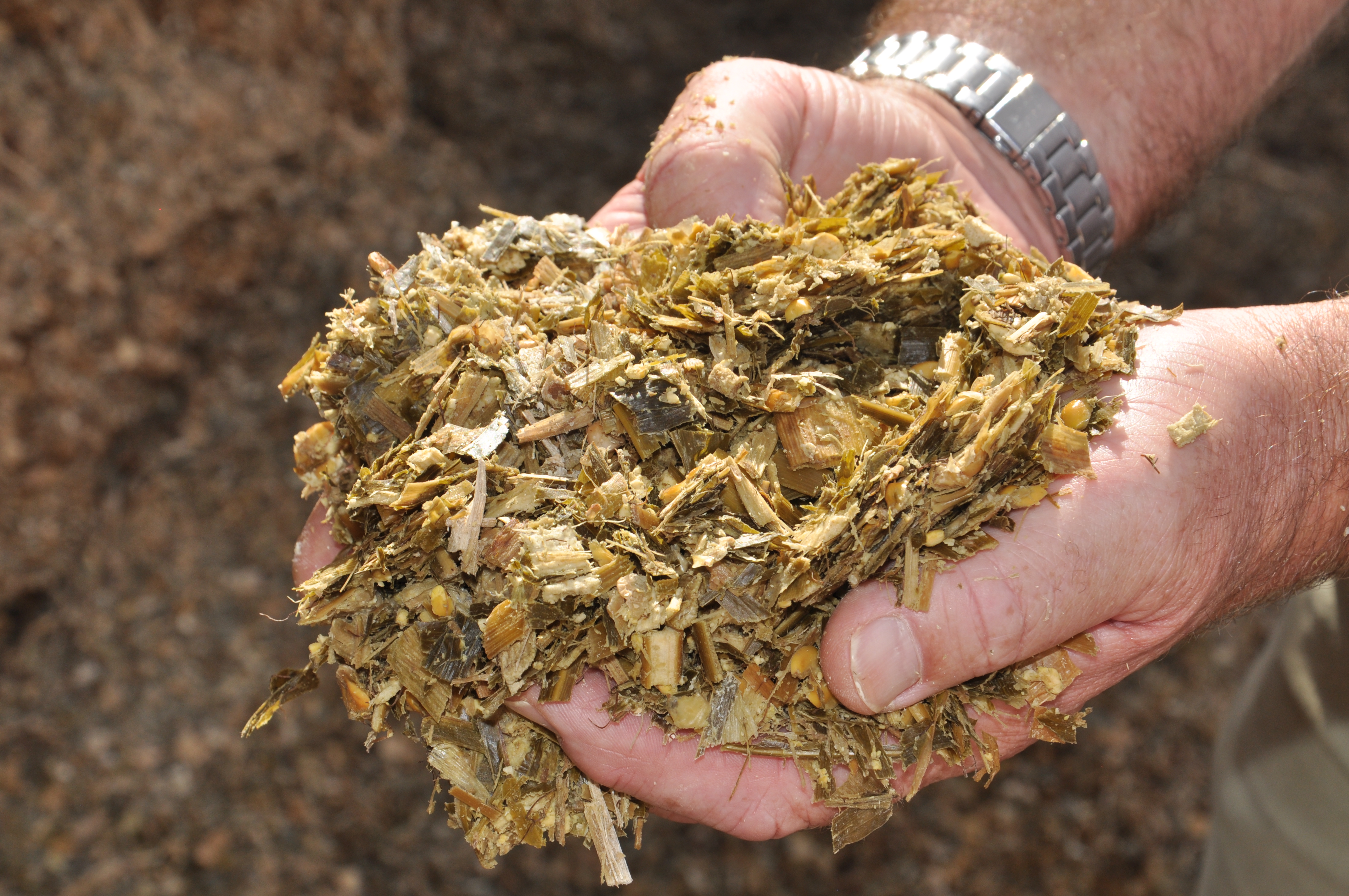
For example mycotoxins, which are produced by certain moulds growing on feeds – including bought-in feed and silages – cannot be seen, he says. And just because mould growth cannot be seen on the feed or silage, does not mean there is not a mycotoxin problem, he points out.
“Mycotoxins produce wide-ranging effects in cows, many of which you might not immediately think of as being caused by mycotoxins, especially when they are low-level chronic symptoms,” Peter says. “While acute effects are more observable, chronic mycotoxin symptoms can be pretty vague but still damaging.
“They can include cows eating more but milk production falling due to mycotoxin suppression of rumen function; reduced fertility; or problems such as lameness, mastitis and raised somatic cell counts due to mycotoxins that affect the cow’s immune system.
“Also, if you have a low-level mycotoxin challenge, certain herd members – such as transition cows and high milk production animals – tend to be affected more than others. Cows at the end of their lactation that aren’t producing much milk seem less affected.”
Endotoxin drains
That said, it is not just mycotoxins that can produce ongoing hidden drains on cow health and productivity, Peter says.
Endotoxins – which are perhaps less well known than mycotoxins but are caused by gram negative bacteria dying in the rumen – are also culprits, he points out.
“When these bacteria die, components of their outer cell walls, called lipopolysaccharides (LPS), are released,” explains Peter. “These are always present in the rumen, but when cows are stressed, they can suffer leaky gut, whereby the junctions between the cells lining the intestines loosen and widen. This can allow an influx of LPS into the bloodstream, which harms the cow.
“From the bloodstream, LPS can settle in soft tissues – for example in the hoof, where they lead to lameness, or the teats, where they cause mastitis.
“On top of that, the immune system is activated trying to get rid of the LPS. This wastes energy that could have otherwise gone into other processes, including milk production. A cow uses 1kg of glucose daily to support a 12-hour acute immune response – this is equivalent to 17 MJ.”
Typically, cows that are in low energy balance are most susceptible to the effects of endotoxins, says Peter. Also, as with mycotoxins, while the acute symptoms of endotoxins can be fairly easy to spot, chronic endotoxin effects are often the last things on the list of things to be considered if cows are unwell or underperforming, he adds.
“If you’re feeding a TMR and cows are not milking correctly, you might simply assume that some cows are getting more concentrate and the poorer milkers are getting less. But it could be that the cows getting more concentrate are suffering from acidosis, which can cause an increase in the intestine wall leaking.”
How to respond?
With all this in mind, how should producers respond?
If you are seeing a problem, Peter suggests focusing on poorer performing herd members first as the ones where chronic endotoxin and/or mycotoxin effects are likely to show up.
“Average milk production is influenced by how many poorer-performing cows there are in the herd,” he says, “so if you want to move average milk production upwards, you have to focus on these.
“Measures such as minimising cow stress – for example avoiding overcrowding, ensuring good access to the feed barrier, reducing heat stress, and ensuring sufficient clean water – are key starting points.
“Similarly, testing feeds and forage for mycotoxins and definitely avoiding feeding any that are mouldy or heating up, are also best practice. Silages including grass, maize and wholecrop can be affected by mycotoxins, as too can cereal-based feeds plus soya and rapemeal, and Volac testing of feed samples in the UK through its Mycocheck service has indicated that mycotoxin risk is increasing with over 9 out of 10 samples having levels of mycotoxins detected.
“It’s always likely there will be some sort of threat from mycotoxins or endotoxins; for example, cows will have heat stress or leaky gut once in a while and some bacteria that cause endotoxins are always likely to be present. So there’s also a good case for considering ongoing preventative targeting of mycotoxins and endotoxins,” he adds.
With this in mind, Peter says Volac’s mycotoxin remediator and endotoxin binder, UltraSorb R, which is added to the ration at the point of feeding, contains specially-selected ingredients to bind various mycotoxins and endotoxins, plus biological active agents to transform and detoxify/degrade the harder-to-bind mycotoxins, while yeast components also help to support gut health.
Peter says: “It’s tempting to think a simple clay binder might be sufficient, but the most common mycotoxins we find in ruminant feed are difficult to neutralise and require remediation with multi-action. Hence the bind, transform and degrade approach.
“Usefully, as well as a full 20g/cow/day dose of UltraSorb R for treating acute mycotoxin and endotoxin problems, there’s also a lower 10g/cow/day maintenance dose to allow producers to target chronic symptoms using an ongoing programme.
“This maintenance dose only costs about 3.5 pence/cow/day. So it’s worth asking yourself how much extra milk do you need to pay for this? At 35 pence/litre, you need to produce just 100ml/cow/day extra. But if you consistently feed it, you might see an extra 1 litre of milk/cow/day. Indeed, the benefit of the product can actually be greater when milk prices are lower because it can make the difference between losing money or making it.
“Typically, producers spend 80% of their time on the 20% of cows that are causing problems,” says Peter. “What if, by adopting ongoing preventative targeting of mycotoxin and endotoxin threats in these 20% of animals, you could free up that time to focus on other ways of improving farm efficiency?”